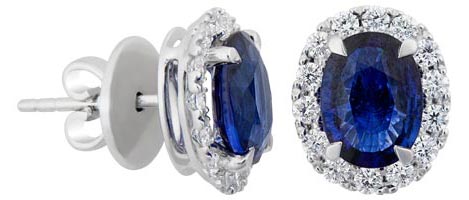

SAPPHIRE
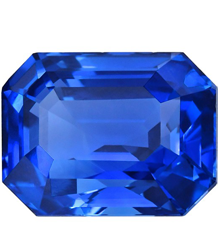
Velvety Blue Kashmir sapphire
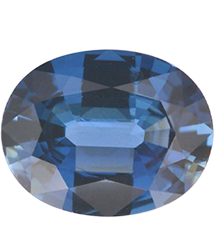
Thai Sapphire
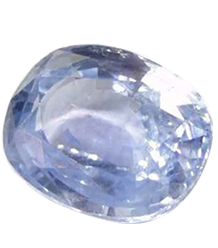
Ceylon-Sapphire
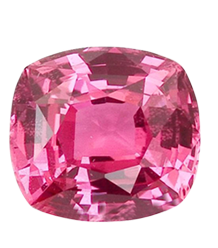
Pink Sapphire
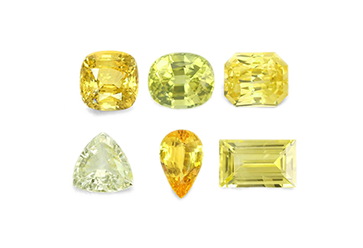
Yellow Sapphire
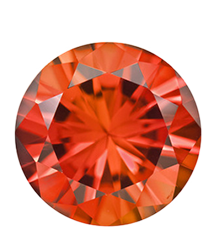
Orange Sapphire
| SAPPHIRE | |
|---|---|
| Family Name | Corundum |
The popular blue 'gemstone of the soul' - the darker & more vivid the colour, the higher the quality.
History
In ancient Rome and Greece, kings and queens wore Blue Sapphires, and they firmly believed that the gem protected their owners from envy and harm. At other times it was thought that the Sapphire has the power to guard chastity, make peace between enemies, influence spirits and to reveal the secrets of oracles.
Sapphire was also used as an antidote for poison and poisonous bites and believed that the stone has the power to clear the mind and skin as well as to cure fever, colds, and ulcers.
Sapphire was even enlisted in the fight against plague, and it was owned by almost all, who could afford it. The American Museum of Natural History in New York City has an admiring and outstanding collection of Sri Lankan Sapphires. In this collection, it includes the 100 Ct. Yellow Sapphire, 100 Ct. Orange Sapphire and a 163 Ct. Blue Sapphire. Ontario Museum in Toronto has a 179.4 Ct. Yellow Sapphire from Sri Lanka.
In the Tower of London, where the British crown jewels are displayed, it reveals the British royalty and long-running love affair they had towards Sapphire. The rose-cut Saint Edward's Sapphire is one of the most prominent among them.